

THERAPY SERVICES
Attachment Therapy in Louisville, KY
Understand the relational patterns beneath anxiety, disconnection, people pleasing, and fear of rejection and build safer, more secure connections with yourself and others.
Healing happens in relationship— with God, with ourselves and with others
You don’t have to keep repeating the same patterns.
Understand Your Patterns
Explore how past experiences may be shaping the way you think, feel, and relate today.
Build Secure Connections
Learn healthier ways to trust, set boundaries, communicate, and stay connected without losing yourself.
Integrate Faith If Desired
For clients who want it, we can explore how attachment, identity, and your relationship with God intersect.
You may be looking for attachment therapy if…
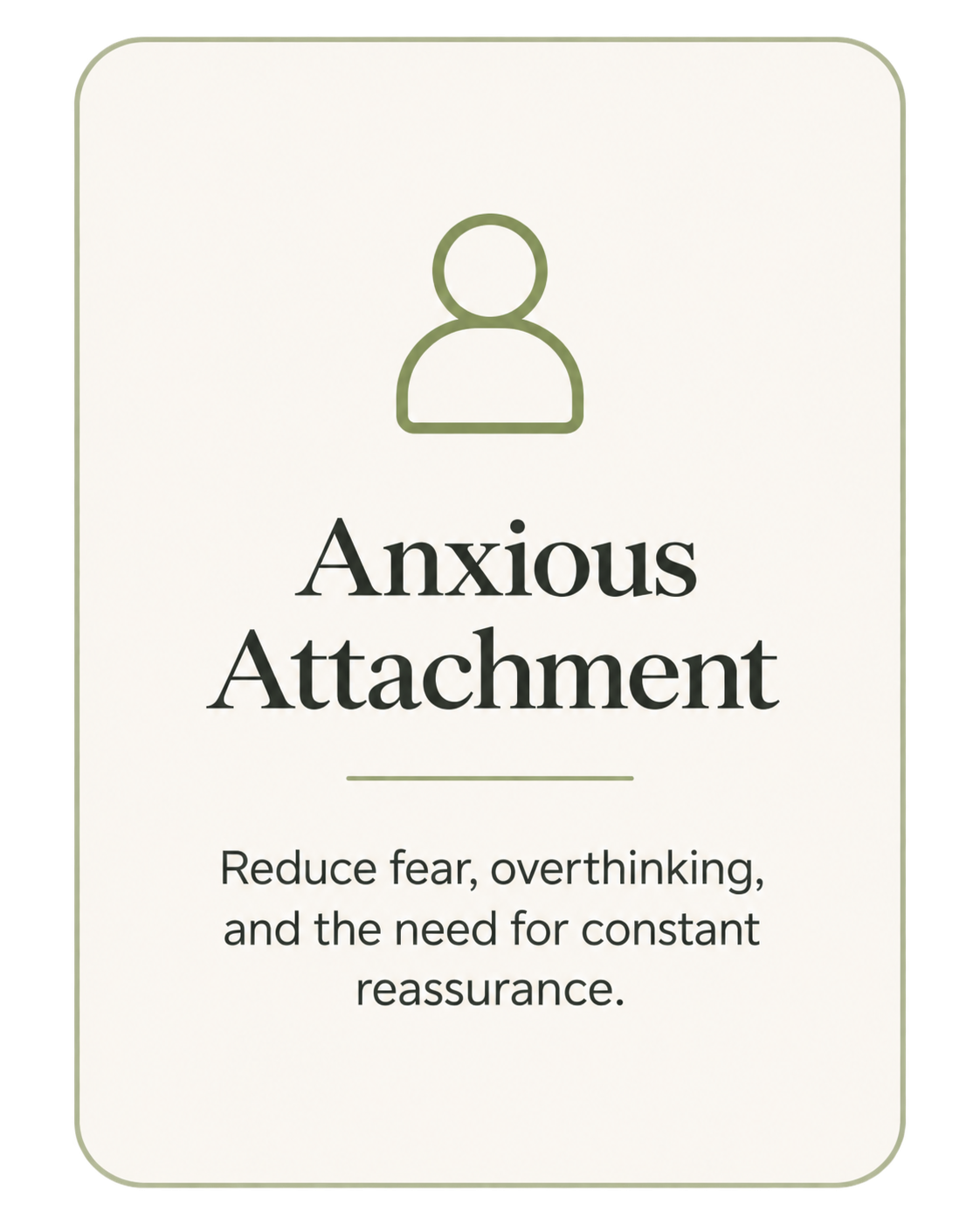
You overthink changes in someone’s tone or behavior
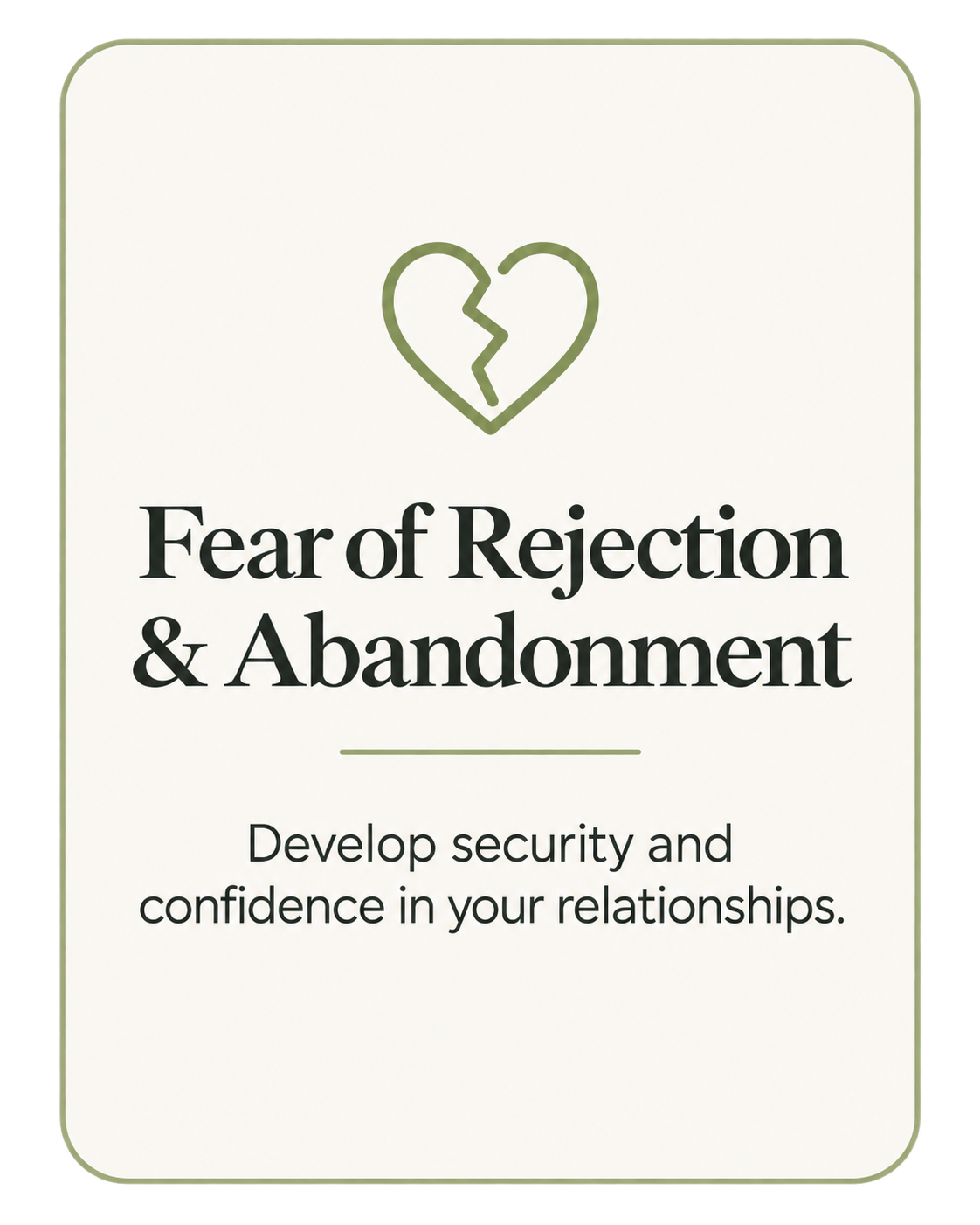
You fear abandonment or struggle with trust
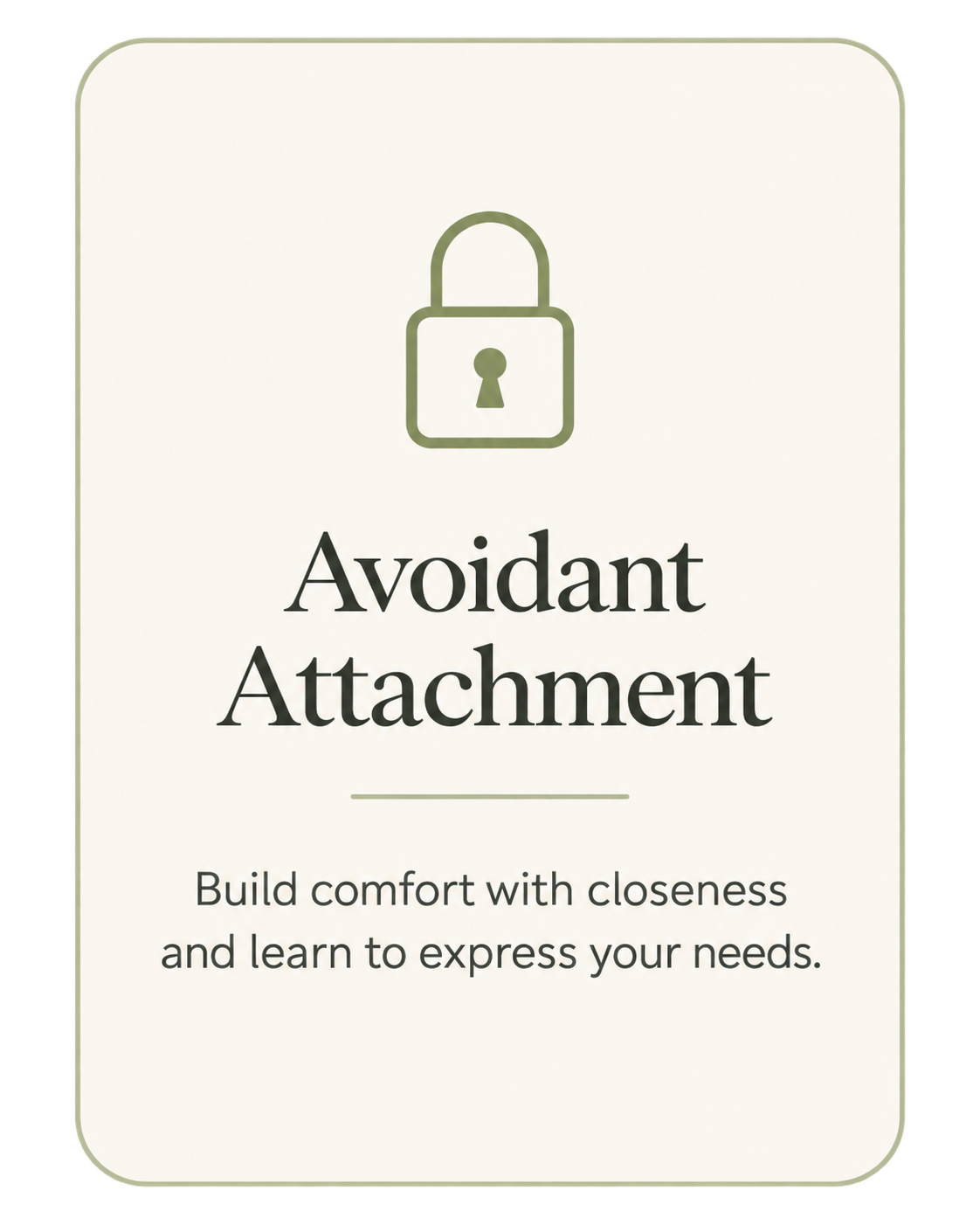
You shut down or pull away when things get close
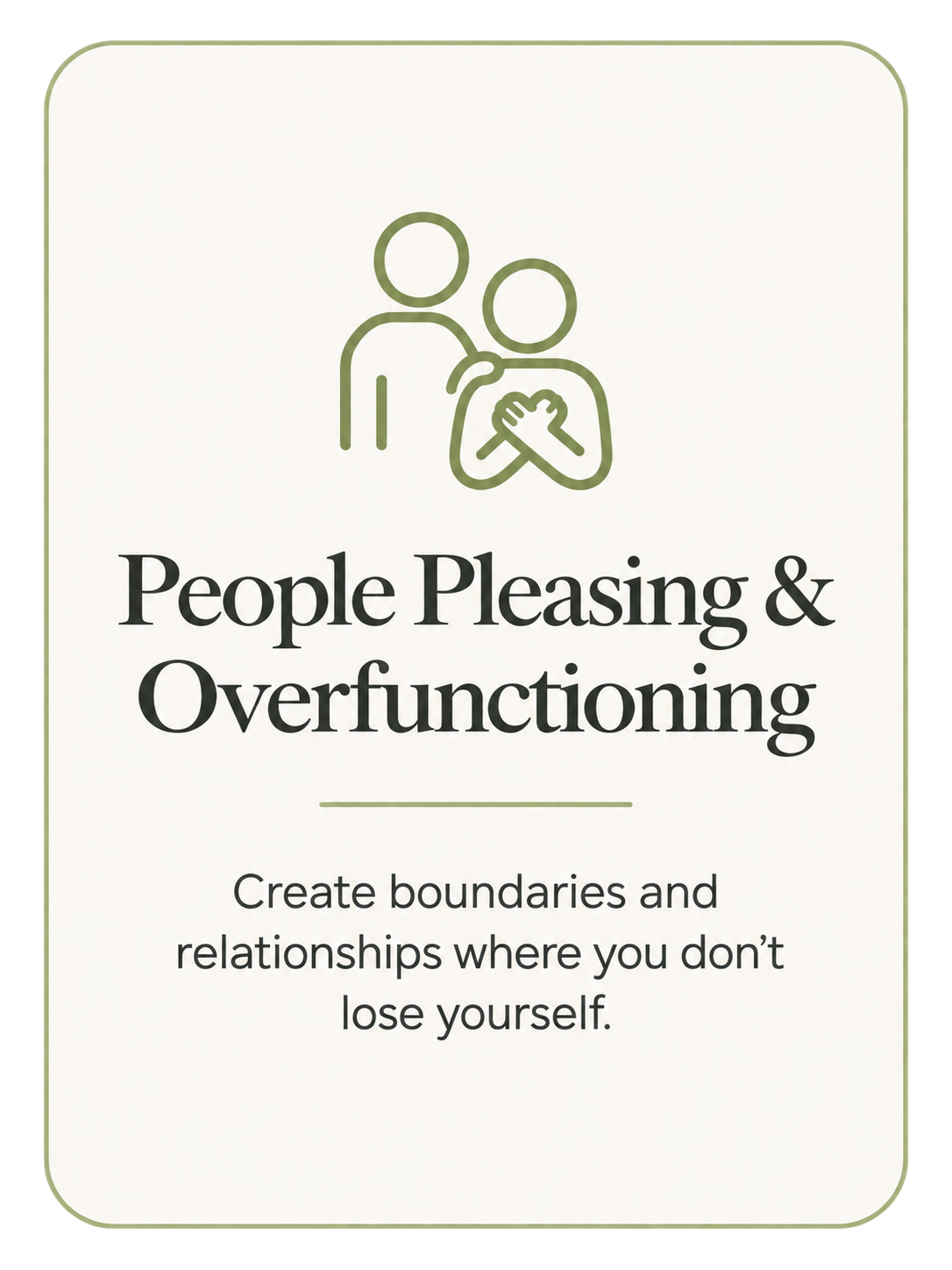
You people-please to keep the peace or keep connection
You repeat the same relationship patterns
You struggle to feel secure, seen, or valued
You want healthier relationships but don’t know how


Attachment Therapy and Faith
Your relational experiences can shape the way you relate to God. We can explore how attachment, identity, and your understanding of God intersect— with compassion, curiosity, and without shame. For clients who want faith integrated, we create space for both clinical care and spiritual growth.
Frequently Asked Questions
-
The four commonly discussed attachment styles are secure, anxious, avoidant, and disorganized attachment. These patterns describe different ways people may experience closeness, trust, emotional safety, and connection in relationships. Attachment styles are not fixed labels or diagnoses, but they can help make sense of recurring relational patterns.
-
You may notice anxious attachment patterns if you often fear rejection or abandonment, need frequent reassurance, overthink changes in someone’s behavior, or feel especially distressed when a relationship feels uncertain. Therapy can help you understand where these patterns come from and build a greater sense of security.
-
Yes. Dating relationships can bring attachment patterns to the surface because they often involve vulnerability, uncertainty, closeness, and fear of rejection. Attachment therapy can help you better understand your responses in dating and develop healthier ways of communicating, trusting, setting boundaries, and staying connected to yourself.
-
Childhood relationships can influence how we learn to experience safety, trust, closeness, and emotional connection. However, childhood is not the only factor. Later relationships, trauma, loss, rejection, and significant life experiences can also shape attachment patterns in adulthood.
-
You may notice avoidant attachment patterns if you tend to pull away when relationships feel too close, struggle to rely on others, minimize your emotional needs, shut down during conflict, or feel uncomfortable with vulnerability. Therapy can help you explore what closeness has come to mean to you and develop greater flexibility in relationships.
-
Yes. Attachment-informed therapy can help couples understand the relational cycle they may be stuck in, such as one partner pursuing connection while the other withdraws. By understanding what is happening underneath the conflict, couples can begin creating greater emotional safety, trust, and connection.
-
Yes. Attachment patterns are not permanent. Through self-awareness, healthier relationships, emotional regulation, and intentional therapeutic work, people can develop more secure ways of relating over time.
-
Yes. For clients who want faith included, we can explore how attachment experiences may influence your relationships with others, your sense of identity, and even the way you understand or relate to God. Faith integration is collaborative and guided by your goals.
You don’t have to keep carrying the patterns alone.
Attachment therapy can help you understand your story and create the relationships you long for.
15-minute free consultation